
I’ve recently been chastised for my absence from this blog (I won’t name names), and just when I thought no one was paying attention! I think all internet-enabled writers know the difficulty of juggling their paid work, creative projects, and social media efforts, which ideally overlap and cross-pollinate, but also distract from one another. Also, it’s hard to sit in a chair for more than ten hours a day. Nevertheless, I’ve been remiss in keeping all of you updated. Here’s a bit about what I’ve been up to:
- In late November I wrote an Op-Ed for the New York Times about Yasser Arafat’s exhumation. The focus was on ethical issues surrounding exhumations, which are discussed less frequently than I’d like. If you’re interested in the subject, also check out “Alas, Poor Yorick: Digging Up the Dead to Make Medical Diagnoses” by Deborah Hayden, the debates about research on ancient mummies, and the wonderfully in-depth article Tales from the Crypt: Scientific, Ethical, and Legal Considerations for Biohistorical Analysis of Deceased Historical Figures.
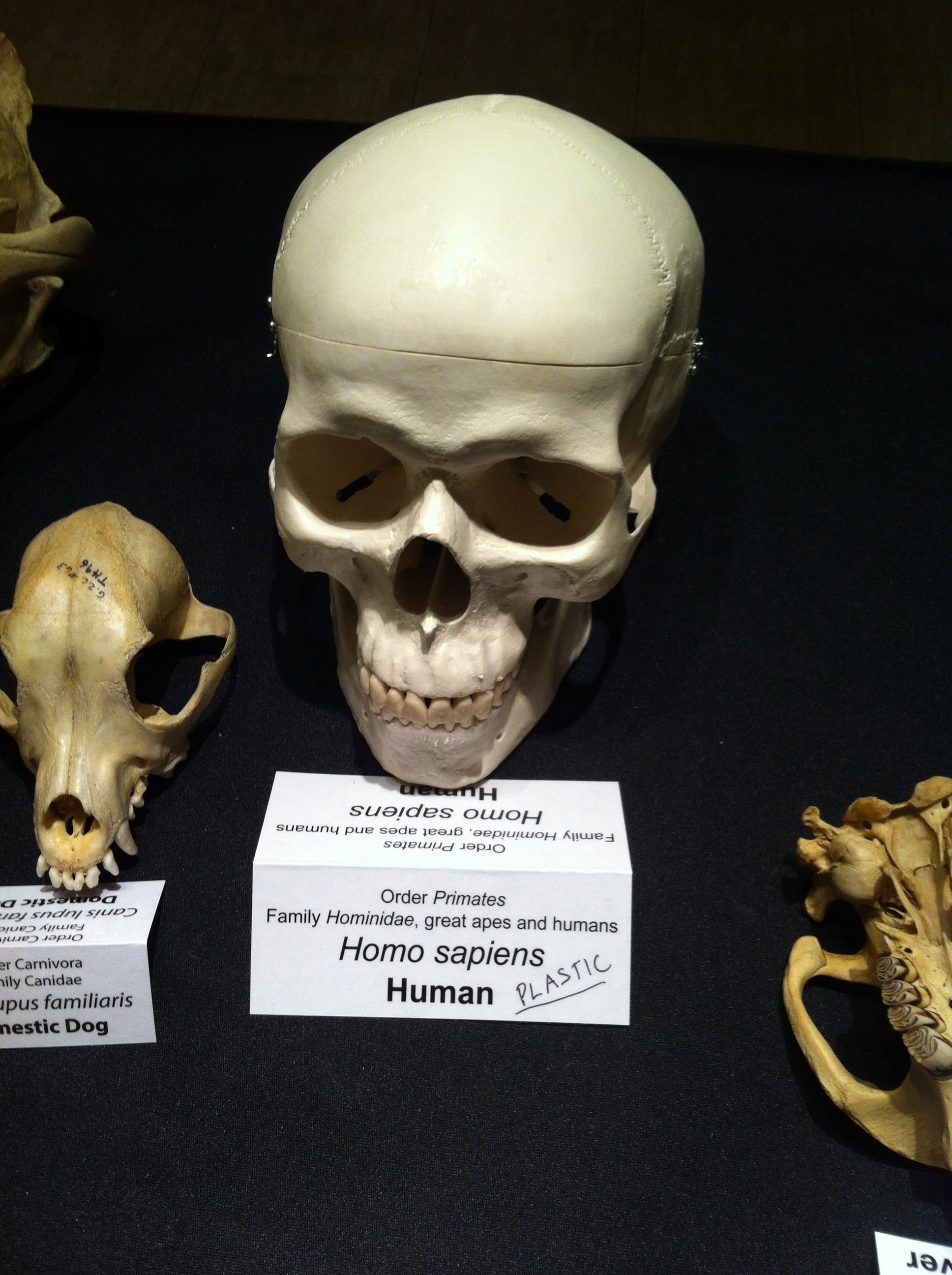
- I appeared on the CBC Radio Show Day 6 with Brent Bambury, my first Rest in Pieces–related radio interview. Since I’m a dual citizen (US/Canada), I was tickled that the Canadians were the first to record a segment with me about the book. That day I also had the pleasure of meeting author Simon Winchester, whose new book (and app) Skulls is obviously right up my alley.

Prop from Simon Winchester’s talk at Town Hall Seattle (note the scrawl) - I also just returned from a packed trip to New York, where I finally got to meet the fantastic team working on my book Rest in Pieces: The Curious Fates of Famous Corpses. We shot a little interview, which you should hopefully be able to see in a few weeks. I’m also planning events in NYC for the book’s release in March (and possibly other cities), so stay turned for details, as well as a website, trailer, and Facebook for the book. (Psst: you can pre-order it here.)
- My New York carousing also included attending a lecture on Sicilian sex ghosts (see here for a great Q & A with presenter Paul Koudounaris) at Observatory in Brooklyn, an event that did double-duty as a birthday party for Morbid Anatomy’s truly amazing Joanna Ebenstein. The day before, Joanna and Colin Dickey‘s Morbid Anatomy Anthology Kickstater fundraising campaign ended a spectacularly successful run, which means you can expect a beautiful volume forthcoming from them, and more on the way.

Morbid Anatomy Library - I also got to hang out with the entirely excellent curator and blogger Pam Grossman, whose blog Phantasmaphile you should definitely peruse if you’re into fantastical, surreal, or occult art (or just general awesomeness). I’ve also heard word that Pam is cooking up an occult-themed conference at NYU, so stay tuned for news on that.
- Other cultural treats on this trip included getting a sneak peak at Sophie Blackall‘s illustrations for The Nine Lives of Alexander Baddenfield, a childrens’ book she’s working on with John Bemelmans Marciano (I’ve helped with research for some of John’s books for adults). If you appreciate Edward Gorey and Lemony Snicket, this book is going to be a real treat.
- In other news: I’m honored to have been invited to join The Order of the Good Death. From our fearless leader, Ask a Mortician star Caitlin Doughty, who helped out with the appendix in Rest in Pieces:
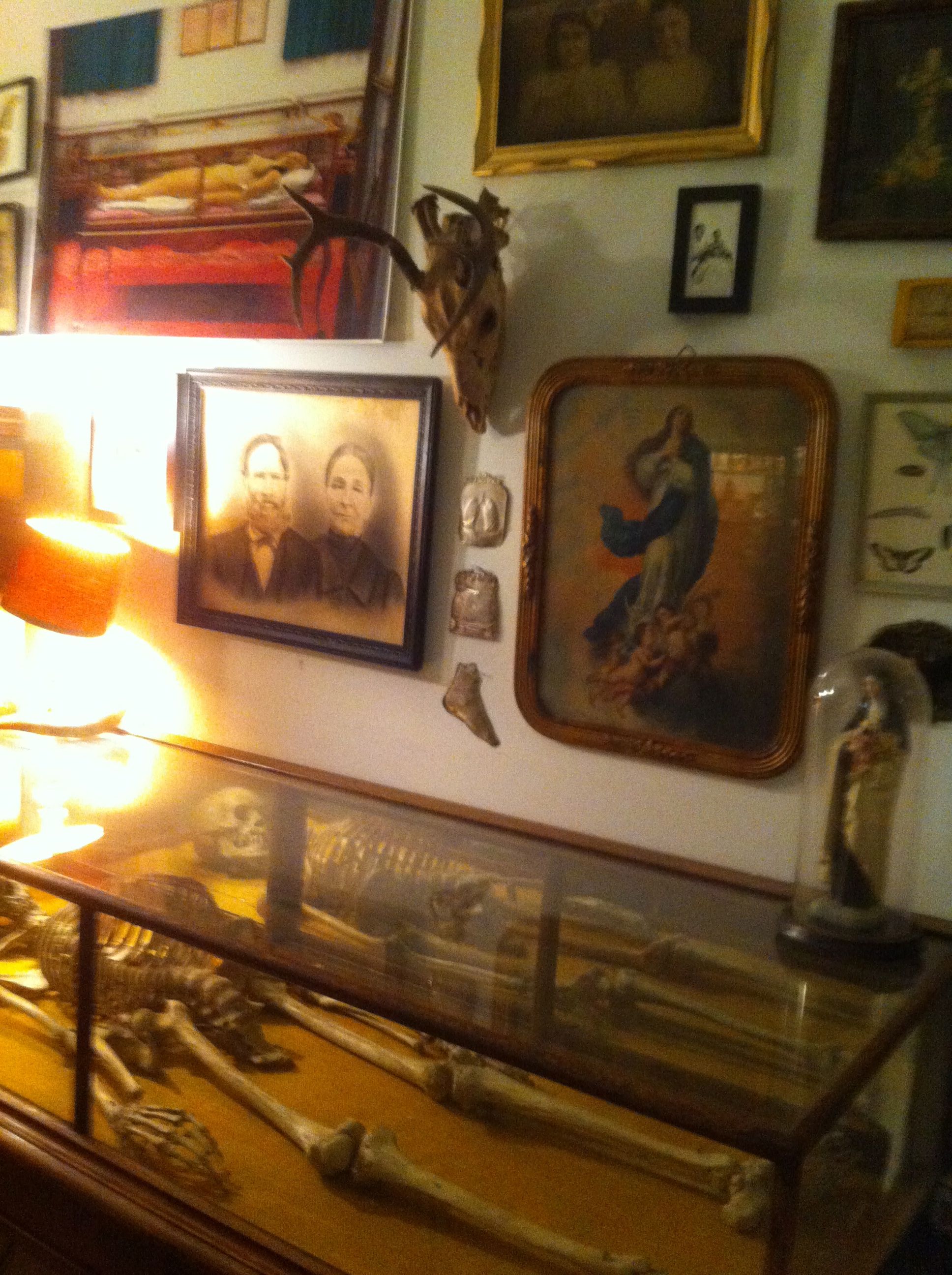
The Order is about making death a part of your life. That means committing to staring down your death fears–whether it be your own death, the death of those you love, the pain of dying, the afterlife (or lack thereof), grief, corpses, bodily decomposition, or all of the above. Accepting that death itself is natural, but the death anxiety and terror of modern culture are not.
- I’ve been working on editing a few projects for the Port Townsend publishers Feral House, including a fantastic forthcoming encyclopedia of black metal by Dayal Patterson. It’s got everything you want to know about the controversial genre, from the origin of corpse paint to the 70s glam metal band that inspired most of the Norwegian second wave. Feral House, of course, are the same folks who previously published Lords of Chaos, which both disturbed and fascinated the 18-year-old me.
- Last but not least, congratulations to the curious and wondrous Atlas Obscura, the world’s most awesome travel-related website, on their re-design! You can see my spotlight on Einstein’s brain in their “Objects of Intrigue” series.
If you made it to the end of that, you get a gold star. Or maybe a skull in a jar, like the beautiful one (made of netting?) I saw at ABC Carpet & Home during the trip. More news, and skulls, soon!



 Bess Lovejoy